

Chausath Khamba is a marble tomb in Nizamuddin, New Delhi, with an architectural name that refers to its 64 pillars. Its setting near other historic monuments makes it a worthwhile stop on a heritage visit to the area.
- Location: Nizamuddin village, New Delhi
- Date: 1623–24
- Nearby: the Tomb of Nizamuddin Aulia and the Tomb of Amir Khusrau are within 100 metres
- Authority: Archaeological Survey of India (ASI)
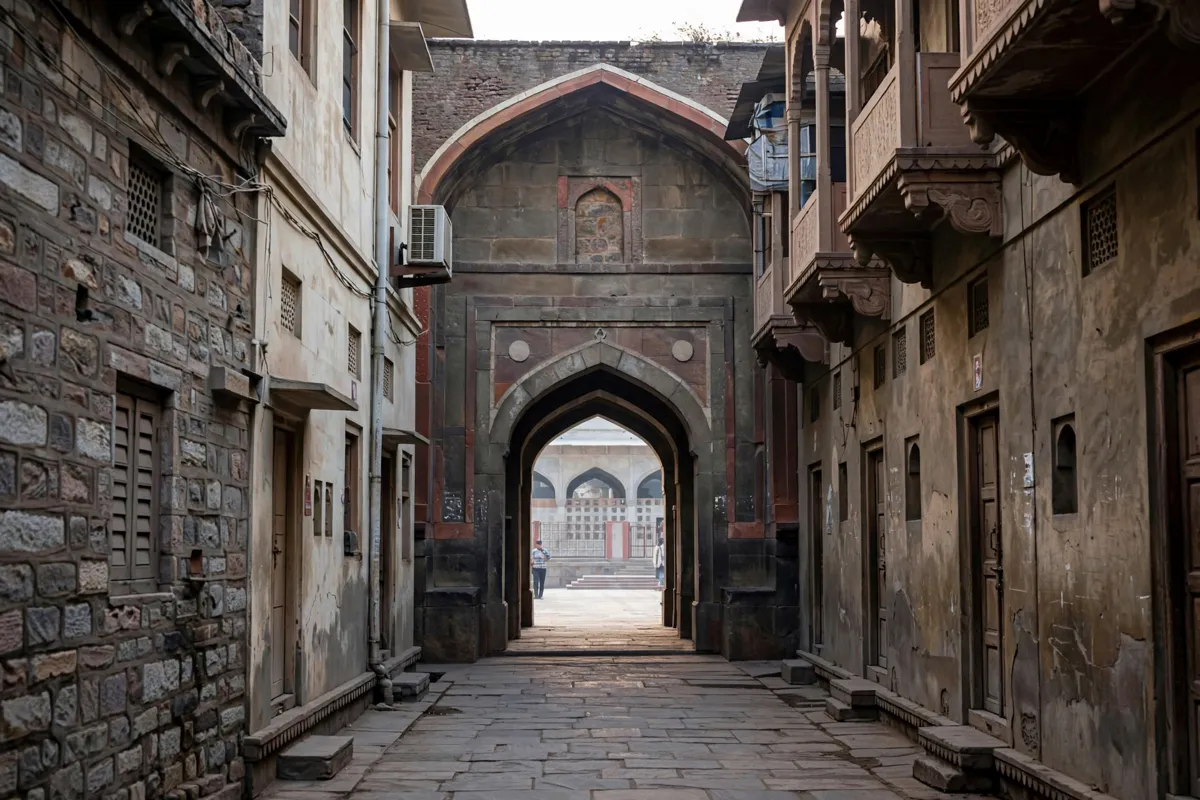
Where Chausath Khamba Is
Chausath Khamba stands in Nizamuddin village, at the edge of the Dargah of Hazrat Nizamuddin Auliya. From KRISHNA INN, a four-star hotel, it is about a 17-minute walk or an 8-minute drive.
The tomb sits close to the tomb of Atgah Khan, the father of Mirza Aziz Koka. Its location also places it among a cluster of Nizamuddin heritage sites, so you can combine a visit with nearby monuments rather than treating it as an isolated stop.
What the Monument Is
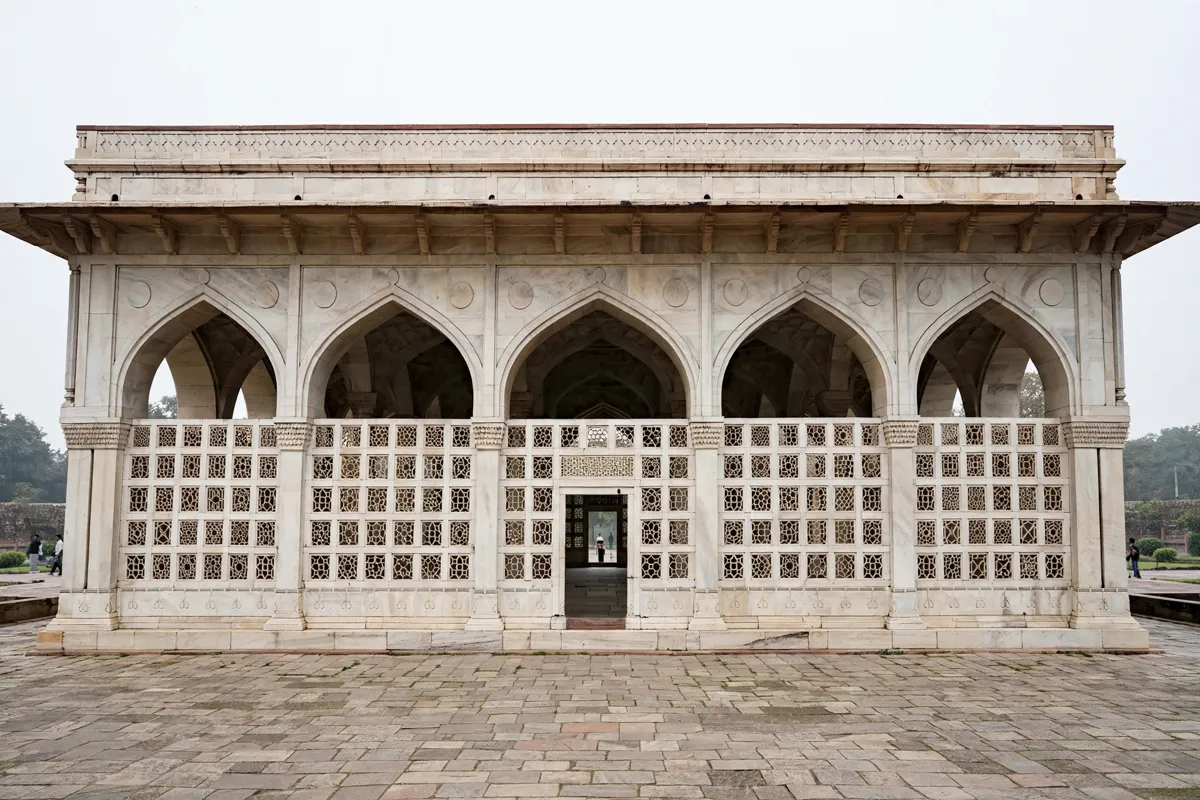
Chausath Khamba is the tomb of Mirza Aziz Koka, also known as Mirza Aziz Kokaltash, the foster brother of Mughal emperor Akbar. The National Monuments Authority map dates the tomb to 1623–24 and identifies the ASI as its authority.
The tomb stands inside a large walled enclosure. A lofty arched gateway and a broad sunken forecourt form part of the approach. The main entrance to the enclosure is at its north-east corner, while an arched doorway stands on the west side.
Architectural Details to Notice
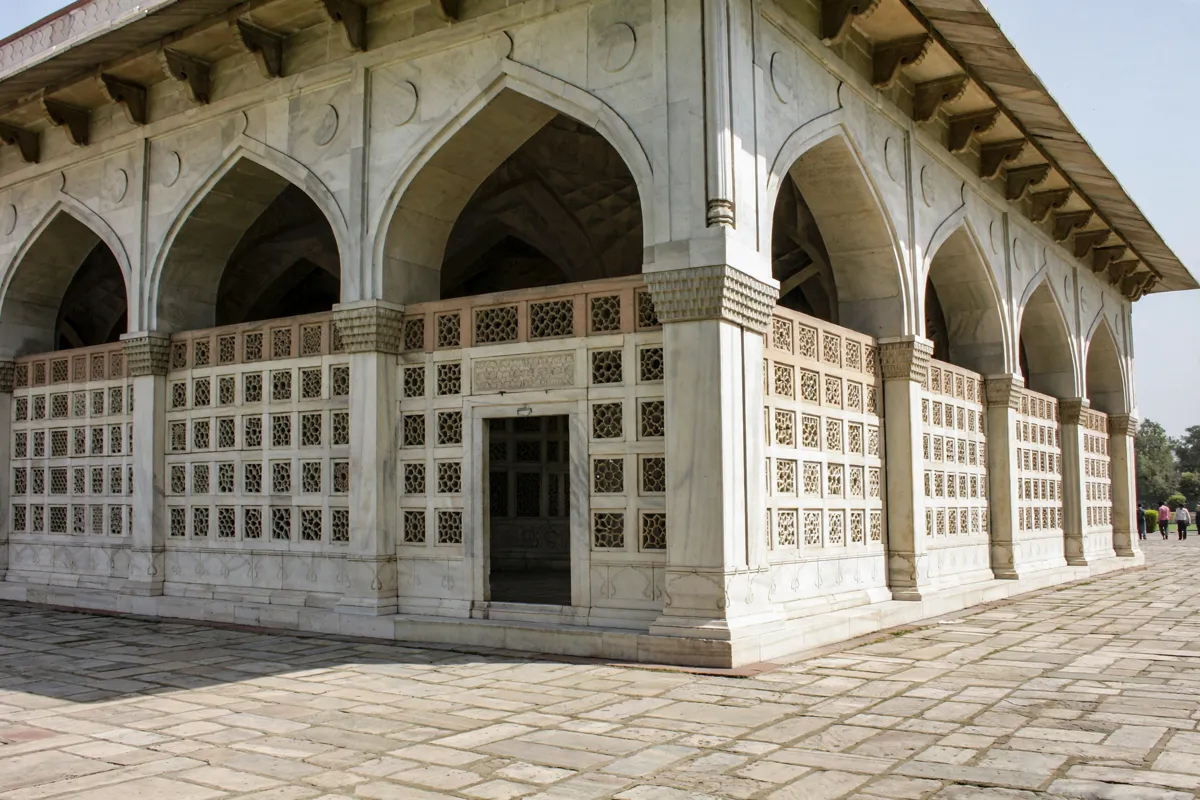
The name Chausath Khamba means “64 pillars,” referring to the tomb’s monolithic marble pillars. The square mausoleum is built entirely of marble, with 25 marble domes supporting its flat roof.
Each facade has five marble arches inset with marble lattice screens. A doorway in the central arch gives access to the tomb. The building’s plan may have drawn inspiration from Persian wooden garden pavilions such as the Chihil Sutun; it may, in turn, have influenced the design of Shah Jahan’s Diwan-i-Aam.
Conservation work was carried out in partnership with the ASI, with support from the German Embassy.
Combining It with Nearby Heritage
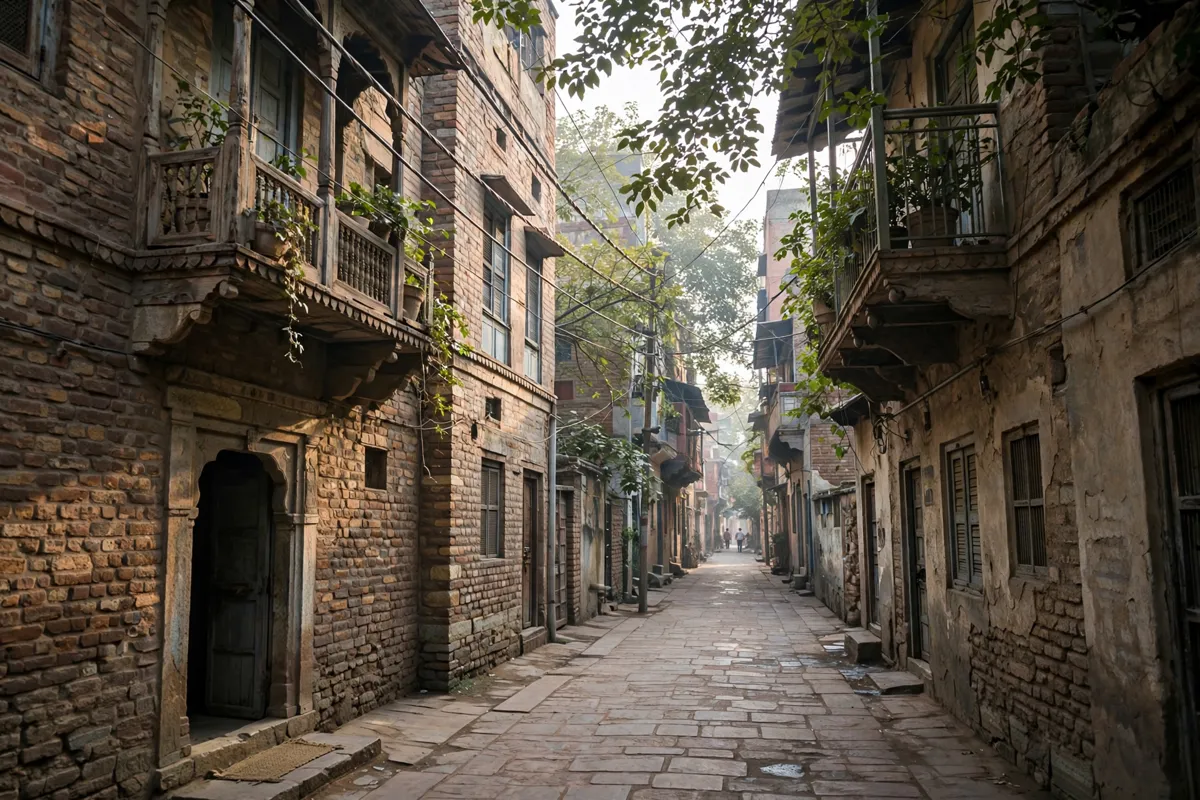
Several historic sites lie close enough to make a compact heritage visit around Chausath Khamba. The Tomb of Nizamuddin Aulia, the Tomb of Amir Khusrau and the Baoli at Ghiaspur are within 100 metres; the Tomb of Isa Khan, Bara Khamba and Nili Chhatri Subz Burj are within 300 metres.
Chausath Khamba, the Urs Mahal courtyard and Mirza Ghalib’s tomb form the largest open space in Hazrat Nizamuddin Basti. The Urs ceremony of Hazrat Nizamuddin Auliya and Amir Khusrau is held twice a year at the Urs Mahal within the enclosure.
Access and Visit Etiquette
Chausath Khamba is a protected monument, and the National Monuments Authority map shows a 100-metre prohibited zone and a 300-metre regulated zone around it. Follow any access instructions and restrictions in place when you visit.
Hours and ticket arrangements aren’t covered here, so check the official site before you go. The authority for the tomb is the Archaeological Survey of India.
FAQs
Who was Chausath Khamba built for?
It was built as the tomb of Mirza Aziz Koka, also called Mirza Aziz Kokaltash, who was the foster brother of Mughal emperor Akbar.
What does Chausath Khamba mean?
The name refers to the tomb’s 64 monolithic marble pillars.
Which monuments are closest to Chausath Khamba?
The Tomb of Nizamuddin Aulia, the Tomb of Amir Khusrau and the Baoli at Ghiaspur are among the monuments within 100 metres.